Clinical Psychology Phd Programs Things You Should Know
The Drexel Academy doctoral (PhD) program in Clinical Psychology prepares avant-garde students in the scientist-practitioner model, emphasizing clinical research and the application of scientific principles while placing equal significance on the integration of psychological science and do. Our rigorous plan —fully accredited past the American Psychological Clan (APA)— expertly qualifies and equips graduates for entry-level exercise as clinical psychologists. Doctoral students receive clinical training in cognitive-behavioral approaches to cess and intervention, as well as a solid foundation in the science and practice of clinical psychology. The PhD in Clinical Psychology plan offers students the selection to elect one of four concentrations: Clinical Child Psychology, Clinical Neuropsychology, Forensic Psychology and Health Psychology.
Visit our section
Program Format
- Full-time, five-year program.
- Accredited by the American Psychological Clan (APA).
- Dedicated mentorship model places each pupil in a faculty fellow member's inquiry lab.
- Completion of a doctoral dissertation.
Drexel's doctoral (PhD) program in Clinical Psychology is fully accredited past the American Psychological Association. Delight direct whatever questions virtually the plan'southward accredited status to:
American Psychological Clan
Committee on Accreditation: Office of Program Consultation and Accreditation
750 1st Street, NE
Washington, DC 20002
202.336.5979 | apaaccred@apa.org
apa.org/ed/accreditation
The Clinical Psychology doctoral (PhD) program admits full-time students only and coursework is required in years 1 through four of the degree plan. It is designed to be completed in 5 years, although students who enter with a master's caste may be able to consummate all requirements inside 4 years. Students are required to work in 12-calendar month practicum placements in years two through iii; optional in year four. A pre-doctoral internship is typically conducted in year five. Students earn a Master of Science (MS) degree upon completion of two years of coursework and their primary's thesis. The program begins annually in the fall; classes are scheduled for the fall, winter and leap terms only.
In addition to general clinical training, with an emphasis on cognitive-behavioral approaches to cess and intervention, the Drexel doctorate plan in Clinical Psychology offers students the option to elect one of four concentrations. While training in the major area of study is non all that is necessary for individuals to specialize in one of these areas, information technology does prepare students to continue farther training that will eventually facilitate professional specialization.
The goal of the clinical-kid expanse of study is to provide broad training for clinical-child students that would enable them to work with children, adolescents, and families. Included in this training is coursework, externship and research experiences, and a pre-doctoral internship.
The clinical neuropsychology surface area of study includes courses, inquiry, and clinical experiences designed to train the students for professional practice in neuropsychology. Clinical neuropsychology involves the awarding of psychological cess and intervention to the problems encountered by people with encephalon injury or affliction. The knowledge of brain-behavior functioning and the incorporation of neuropsychological conceptualizations with traditional clinical conceptualizations of functioning are aimed at providing the student with a wider perspective regarding the range of human being functioning and disability. The student is able to pursue specific interests in geriatrics, pediatrics, traumatic encephalon injury, and rehabilitation.
Forensic psychology involves the application of cess and intervention techniques to informing legal decision-makers and attorneys on questions in criminal, ceremonious, and family law. The goal of the forensic psychology expanse of study is to provide students with avant-garde training in relevant law, behavioral science research, and cess and intervention approaches with a particular focus on juvenile and criminal issues.
Wellness psychology adopts a broad-based, biopsychosocial perspective in gild to: (1) amend understand the interplay among behavioral, emotional, cognitive, social, and biological factors regarding health, health, and physical illness; (2) promote and maintain health and positive physical health; (iii) prevent, treat, and rehabilitate illness and disability, and (4) amend the health care delivery system. The health psychology area of study aims to provide students with specialty training in social club to gear up them for academic and/or clinical positions where the master focus is on physical health problems.
Consequent with our scientist-practitioner philosophy of training, our section and core offshoot faculty serve every bit defended mentors to our graduate students. Students piece of work under the mentorship of one or two faculty members who serve every bit the incoming educatee'south advisors. For students who are admitted to work under two faculty members, one faculty member is established as the pupil's major counselor, and the other every bit the educatee'south small-scale advisor.
| Faculty Members | Contact | Specialization |
|---|---|---|
| | Meghan Butryn, PhD Professor; Acquaintance Department Head | Obesity prevention and handling; Physical activity promotion; Lifestyle modification; Behavioral therapy; Cancer prevention and survivorship |
| | Evan Forman, PhD Professor | Wellness beliefs alter, obesity, weight loss; Technological innovations to promote health behavior change; Innovations in cognitive-behavioral treatments; The development and evaluation of acceptance-based interventions for health behavior change; Neurocognition of eating |
| | Pamela Geller, PhD Managing director, Clinical Grooming; Associate Professor, Ob/Gyn and Public Health | Clinical and wellness psychology; Stressful life events and mental and physical health outcomes particularly in the surface area of women's reproductive health |
| | Kirk Heilbrun, PhD Professor | Forensic mental health assessment; Violence hazard cess; Take chances management; Interventions to reduce chance |
| | Adrienne Juarascio, PhD Manager, Practicum Training; Assistant Professor | Treatment development and Evaluation for Eating Disorders, Acceptance-based Behavioral Treatments, Using Applied science to Augment Behavioral Handling Approaches |
| | Nancy Raitano Lee, PhD Director of MS and BS/MS Programs; Associate Professor | Neuropsychological and neuroanatomic correlates of intellectual and developmental disabilities; Language, reading, and executive function in Down syndrome and other genetic disorders; Comorbid autism spectrum disorder symptoms in youth with genetic disorders; Neuroanatomic correlates of individual differences in typical and atypical cognition |
| | Michael Lowe, PhD Professor | Psychobiology of eating and weight regulation (dieting, treatment and prevention of eating disorders and obesity); Social cognition (empirical study of witting and unconscious cerebral processing) |
| | Diana Robins, PhD Professor, Managing director, AJ Drexel Autism Constitute; Department of Community Wellness & Prevention diana.l.robins@drexel.edu | Early detection of autism spectrum disorder, screening for autism spectrum disorder in community settings, social cognition in autism spectrum disorder |
| | Giacomo Vivanti, PhD Associate Professor, AJ Drexel Autism Plant giacomo.vivanti@drexel.edu | The nature of learning difficulties in autism; developing constructive programs to address such learning difficulties within community-based settings |




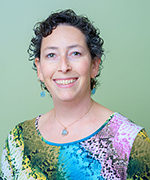
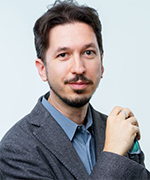
The Department of Psychological and Brain Sciences is actively engaged in vibrant research initiatives to accelerate the science and practice of psychology. Kinesthesia publish widely in acme-tier, peer-reviewed journals; are featured experts in national and international media; and are the recipients of major research awards from prestigious grantors including the National Institutes of Health (NIH) and the National Science Foundation (NSF).
| All Kinesthesia | Contact | Specialization |
|---|---|---|
| | Meghan Butryn, PhD Professor; Associate Department Head | Obesity prevention and handling; Physical activity promotion; Lifestyle modification; Behavioral therapy; Cancer prevention and survivorship |
| | Evangelia Chrysikou, PhD Director, Applied Cognitive and Brain Sciences PhD program; Associate Dean for Inquiry; Acquaintance Professor | Cognitive neuroscience; neuropsychology; neural bases of language, memory, and executive functions; neurocognitive processes associated with problem solving and flexible idea; functional neuroimaging and not-invasive brain stimulation in healthy and psychiatric populations (mood and anxiety disorders); translational neuroscience |
| | Douglas Chute, PhD; C Psych Professor Emeritus of Neuropsychology; Faculty Coordinator of ePsychology; Louis and Bessie Stein Fellow coas@drexel.edu | Neuropsychology and rehabilitation; Technological applications for the cognitively compromised and those with acquired brain injuries |
| | Brian P. Daly, PhD Section Head; Acquaintance Professor | Prove-based psychosocial interventions for youth; school mental health promotion; prevention and resiliency in urban youth; assessment and treatment of children with chronic illness; and, adolescent risk behaviors. |
| | David DeMatteo, JD, PhD Director, JD/PhD Program in Police and Psychology; Professor | Psychopathy, forensic psychology, forensic mental health cess, testing in forensic assessment contexts, and drug policy research |
| | Evan Forman, PhD Professor | Health behavior modify, obesity, weight loss; Technological innovations to promote wellness behavior change; Innovations in cerebral-behavioral treatments; The development and evaluation of acceptance-based interventions for wellness behavior change; Neurocognition of eating |
| | Pamela Geller, PhD Director, Clinical Training; Associate Professor, Ob/Gyn and Public Health | Clinical and wellness psychology; Stressful life events and mental and physical health outcomes especially in the area of women'due south reproductive health |
| | Naomi East. Goldstein, PhD Co-Director of the JD/PhD Program in Law and Psychology; Professor | Juvenile Justice Inquiry and Reform Lab ; Forensic psychology and juvenile justice; Juvenile justice research and program evaluation; Juvenile justice policy and practice reform; Adolescent development and decision-making capacities; Miranda rights comprehension and juvenile confessions; Juvenile probation system reform; Dismantling the school-to-prison pipeline; Addressing racial and indigenous disparities in the justice system |
| | Kirk Heilbrun, PhD Professor | Forensic mental health cess; Violence hazard cess; Gamble direction; Interventions to reduce take a chance |
| | Adrienne Juarascio, PhD Director, Practicum Training; Banana Professor | Treatment development and Evaluation for Eating Disorders, Acceptance-based Behavioral Treatments, Using Applied science to Augment Behavioral Treatment Approaches |
| | John Kounios, PhD Practical Cognitive and Brain Sciences PhD plan; Professor | Cognitive psychology/cognitive neuroscience, focusing on human memory, problem solving, intelligence, and creativity; Specialization in electrophysiological methods (EEG, ERP), and other behavioral and neuroimaging methods (e.g., fMRI) |
| | Nancy Raitano Lee, PhD Managing director of MS and BS/MS Programs; Associate Professor | Neuropsychological and neuroanatomic correlates of intellectual and developmental disabilities; Linguistic communication, reading, and executive function in Down syndrome and other genetic disorders; Comorbid autism spectrum disorder symptoms in youth with genetic disorders; Neuroanatomic correlates of individual differences in typical and atypical cognition |
| | Michael Lowe, PhD Professor | Psychobiology of eating and weight regulation (dieting, treatment and prevention of eating disorders and obesity); Social cognition (empirical study of conscious and unconscious cognitive processing) |
| | Christine Maguth Nezu, PhD, ABPP Professor of Psychology; Professor of Medicine | Emotion-centered Problem-Solving Therapy (PST) for mood, personality, stress-related disorders; EC-PST as an evidence-based, trans-diagnostic intervention across many clinical problem areas and populations including Veterans/Usa Service Members, and their families; cinical example formulation; integrative psychotherapy approaches; emotionally-focused interventions and CBT; Departmental concentration areas of cognitive behavioral and clinical health psychology |
| | Arthur K. Nezu, PhD, DHL, ABPP Distinguished University Professor of Psychology; Professor of Medicine; Professor of Community Health and Prevention | Social trouble solving as a moderator/mediator of stress and psychopathology; applications of Emotion-Centered Problem-Solving Therapy; treatment and prevention of depression; handling and prevention of suicide; behavioral health of U.S. armed services veterans |
| | Diana Robins, PhD Professor, Director, AJ Drexel Autism Found; Department of Customs Health & Prevention diana.50.robins@drexel.edu | Early on detection of autism spectrum disorder, screening for autism spectrum disorder in community settings, social cognition in autism spectrum disorder |
| | Maria T. Schultheis, PhD Vice Provost of Inquiry; Professor | Neurorehabilitation; Awarding of applied science to psychology; Virtual reality technology; Driving chapters after neurological compromise; Rehabilitation of functional, everyday activities |
| | Jennifer Schwartz, PhD Managing director, Psychological Services Heart; Teaching Professor | Adult Psychopathology; Evidence-Based Practise; Competency-Based Preparation; Competency-Based Clinical Supervision |
| | Giacomo Vivanti, PhD Associate Professor, AJ Drexel Autism Institute giacomo.vivanti@drexel.edu | The nature of learning difficulties in autism; developing effective programs to address such learning difficulties within community-based settings |



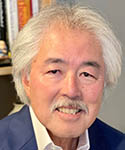


The Drexel PhD program in clinical psychology showtime requires independent scholarly work in the form of a primary's thesis where students gear up and present a proposal and final defence of their thesis to a committee. Once this requirement is satisfied, students progress to independent scholarly work in the form of a doctoral dissertation, where they prepare and present a proposal and last defense to a dissertation committee.
All dissertations must exist based on original research , and must clearly demonstrate the candidate's ability to piece of work at the frontiers of the field. A diversity of resources are bachelor to all graduate students when conducting research during their training at Drexel University. One important characteristic of the Clinical Psychology program is that it was established with very shut relationships to many supporting hospitals and facilities. There is considerable integration of research capabilities and agendas.
All doctoral dissertation examinations and committee appointments are monitored past the Office of Graduate Studies which approves the committees and the examinations.
We proudly invite prospective student to review recent dissertations authored by our PhD in Clinical Psychology degree recipients.
Source: https://drexel.edu/coas/academics/graduate-programs/psychology/doctorate-clinical-psychology/
0 Response to "Clinical Psychology Phd Programs Things You Should Know"
Post a Comment